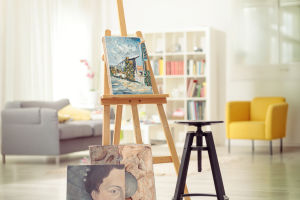
A well-organized art studio is not just about having a space to work; it's about creating an environment that encourages creativity and inspires you to create.
Whether you're a professional artist or a hobbyist, the way you set up your studio can greatly influence the quality and enjoyment of your work. But how do you transform an ordinary room into a creative haven?
Let's explore essential elements you need to consider when setting up your art studio.
Choosing the Right Location
The first step in creating an inspiring art studio is selecting the right location. The environment around you plays a big role in your creative process. Ideally, your studio should be a space where you feel comfortable, undistracted, and free to let your imagination flow.
Natural Light
If possible, choose a space with plenty of natural light. Sunlight not only brightens the room but also provides the most accurate representation of colors. It's especially crucial for artists working with painting, sketching, or any media where color fidelity is essential. If natural light is limited, consider investing in daylight bulbs to mimic sunlight indoors.
Quiet and Secluded
A quiet, distraction-free environment can help you focus better on your work. Whether it's a spare room, a garage, or a corner in your home, find a place where you can immerse yourself in your art without being constantly interrupted. A peaceful setting will also encourage deep thought and concentration.
Organization and Storage
An organized studio is key to a smooth, stress-free creative process. Without the right storage solutions, your materials can quickly overwhelm the space, making it difficult to find what you need when you need it.
Shelves and Cabinets
Install shelves or cabinets for easy access to your art supplies. Whether it's for paints, brushes, or sketchbooks, having designated spots for each item will keep things from cluttering your work area. Clear containers or label boxes for smaller items like pencils, charcoals, and markers will help you stay organized and efficient.
Work Tables and Easels
A sturdy work table is essential for any artist. Whether you're painting on canvas, working on sculptures, or drawing, a large, flat surface is necessary for your projects. Invest in an easel if you plan to paint frequently, as it provides stability and allows you to adjust the angle of your work. Adjustable easels can be especially useful for different mediums.
Creating the Right Atmosphere
The atmosphere in your studio plays a big part in how inspired and focused you feel while working. Whether you're after a cozy, intimate space or an energizing, vibrant environment, it's important that the space feels comfortable and personalized.
Personal Touches
Add artwork, inspiring quotes, or plants to create an environment that reflects your creative style. Surround yourself with things that motivate and make you feel at home. A few framed pieces of your past work or favorite inspirational images can help you feel connected to your artistic journey.
Comfortable Seating
If you plan to spend long hours in your studio, comfortable seating is essential. An ergonomic chair or a cozy stool can make a huge difference when you're working on detailed projects or sketching for long periods. Make sure your seating is supportive to avoid strain.
Good Ventilation and Safety
Ventilation and safety are often overlooked but are critical aspects of setting up a functional and healthy studio.
Ventilation
If you're working with materials like oil paints, sprays, or solvents, adequate ventilation is vital to avoid inhaling harmful fumes. Open windows, use fans, or invest in an air purifier to keep the air fresh. If you're working with particularly toxic materials, consider using a ventilation system that directs air away from your workspace.
Safety Equipment
Always prioritize safety in your studio. Have a first-aid kit nearby, as well as fire extinguishers if you're using equipment like hot glue tools or solvents. If you're working with hazardous materials, ensure you have gloves, masks, or goggles to protect yourself. A fire extinguisher should be placed somewhere accessible.
Incorporating Technology and Tools
In the modern art world, technology and tools play an important role in the creative process. Even if you're primarily a traditional artist, having the right tools can help you grow your skills and make the most out of your work.
Digital Tools
If you're a digital artist, having the right tech setup is crucial. A computer with good graphics capabilities and a high-quality drawing tablet can expand your creative possibilities. Programs like Adobe Photoshop or Procreate can be useful for creating digital art, and incorporating these tools can blend traditional and modern techniques seamlessly.
Lighting for Detail Work
In addition to natural light, invest in adjustable task lighting for detail work. A desk lamp with a flexible neck can be positioned exactly where you need it, ensuring you have focused light for intricate tasks like sketching or painting fine lines.
Let Your Space Reflect Your Creativity
The way you set up your art studio has the power to shape your artistic experience. A space that is well-organized, well-lit, and comfortable can foster creativity and make the act of creating art more enjoyable. While practicality is important, don't forget to infuse your studio with personal touches that reflect your style and inspirations.
As you create your ideal space, remember that an art studio is more than just a workspace—it's a sanctuary for your creativity, a place where you can lose yourself in your craft and find new ways to express yourself. With a little thought and care, your art studio can become the ultimate environment to unlock your full artistic potential.